
This spiritual disconnection often results in emotional and mental turmoil, exacerbating the compulsion to use alcohol or drugs. The sense of emptiness and unrest that accompanies spiritual malady can lead us to seek solace in substances, perpetuating the cycle of addiction. At an Alcoholics Anonymous meeting, you can expect a non-judgmental environment focused on sharing experiences and supporting recovery. The chairperson typically begins by reciting the Alcoholics Anonymous (AA)preamble and offering brief introductory remarks.
Understanding Anonymity
Anyone with a desire to stop drinking is welcome, regardless of race, gender, sexual orientation, religion, income or profession. Beginning Monday, August 11, the General Service Office will operate remotely and will be closed to visitors for weeks due to the retrofit of our office space and work on our facilities. The second part of AA’s definition is the mental fixation with consuming alcohol. Alcohol allergy or intolerance is a rare condition that causes adverse reactions after drinking alcohol, like a stuffy nose and skin flushing. However, people can be addicted to almost anything, including internet use, work, shopping, and more. Works depends, in part, on finding a meeting that’s a good fit.

Addressing The Spiritual Malady Through the 12 Steps
Comparing success rates between Alcoholics Anonymous and drug rehab programs depends on how success is defined and measured. AA shows strong long-term outcomes for those who regularly participate. For example, a 16-year study by Moos & Moos found a 67% success rate among active AA members. Another study by Lee Ann Kaskutas (2009) showed that about 50% of AA participants remained sober at 1, 3, and 8 years—double the rate of formal therapy alone. While inpatient and outpatient rehab offer medical and psychological care, AA appears equally or more effective for many individuals when consistent engagement is maintained. Core principles include honesty, humility, service, and belief in a Higher Power (as personally understood).
Twelve Traditions

You’ll encounter AA words when you attend in-person or virtual meetings. AA offers a variety of meeting formats and Alcoholics Anonymous meeting structures to accommodate different preferences and needs. Understanding these formats can help you find the right environment for your recovery journey. Meetings may be in churches, community centers, clubhouses, and sometimes, even in someone’s home.
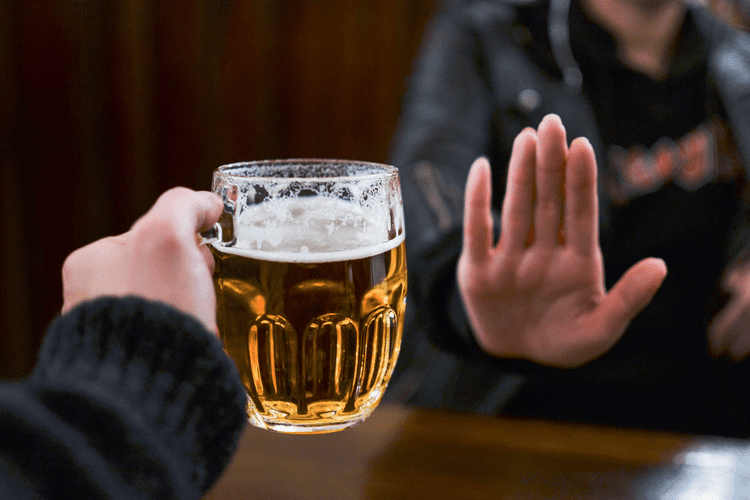
You may see AA signs or literature – this is a good sign, this is where the meeting is being held. Many meetings open with How it Works from the big Book or the AA Thought for the Day. Professional assistance is often required to tackle spiritual malady and addiction. Seeking professional treatment is crucial to address both the physical and spiritual dimensions of addiction. Integrated treatment programs offer a combination of medical detox, therapy, and spiritual support to provide comprehensive care for addiction.
By dedicating time to these spiritual practices, we can nurture our spiritual life and find the strength to overcome addiction. In AA, members identify as “alcoholics,” emphasizing their struggle with alcohol and fostering a shared focus on alcohol-specific challenges. In contrast, NA members use the term “addicts,” reflecting a broader, inclusive approach that addresses addiction to any substance or behavior. The difference between an open and closed meeting in Alcoholics Anonymous lies primarily in who is permitted to attend and participate. Open Alcoholics Anonymous (AA) meetings are open to everyone, including those who don’t have a problem with alcohol. This allows family and friends to learn about AA and see how it works.
Anonymity also reinforces the idea of equality within the group; no member is more important than another, regardless of their background or status. This fosters humility and shifts the focus from personal identity to shared recovery. Additionally, anonymity helps safeguard the integrity of A.A. By discouraging members from using their association for personal gain or public recognition. With its wide range of activities, it provides a support system not only for individuals but also families affected by addiction. Alcoholics Anonymous promotes healthy relationships with alcohol-free activities such as socializing, volunteering, and engaging in safer activities.
A.A.’s program of recovery is built on the simple foundation of one alcoholic sharing with another. Alcoholics Anonymous (AA) is a non-professional American organization founded in 1935 dedicated to helping people overcome alcohol addiction through support groups. Other studies have analyzed the effectiveness of peer support, in general, during substance use recovery and found that it contributed to a variety of improved outcomes. Outcomes were also improved for individuals with co-occurring substance use and mental health issues. Alcoholics Anonymous (AA) defines alcoholism as a physical, mental, and spiritual illness. It is a progressive disease that involves the excessive intake of alcohol, which often leads to addiction.
Understanding these challenges helps individuals make informed decisions about their recovery path. Whatever your definition of addiction is, it must recognize that it is a challenge that needs to be overcome. The method you use to overcome it should take into account the multiple factors that come to play in addiction and help address them to achieve long-term sobriety.
How to Find an A.A. Meeting
It is rooted in the idea of being spiritually sick—a condition that profoundly affects our soul and emotional nature. This spiritual disease is not a physical alcoholics anonymous ailment but a profound affliction of the spirit, manifesting as a sense of emptiness and disconnection from oneself and the world. Connect with our team for a private conversation and take the first step toward lasting change. The downsides of Alcoholics Anonymous in addiction recovery are listed below.
You deserve high-quality treatment and a fulfilling life in recovery.
- We are not anti-alcohol and we have no wish to reform the world.
- The Big Book of AA identifies these difficulties, or “bedevilments,” as clear indicators of spiritual malady.
- It also contains stories written by the co-founders and stories from a wide range of members who have found recovery in A.A.
- Many meetings include both current and past alcohol addicts who are willing to help new members understand what they can do to achieve recovery.
- The focus is on helping each individual identify their own motivations in order to improve their life.
Certain meetings include a moment of silence or the serenity prayer to set a reflective tone. The chairperson often extends an invitation to newcomers to introduce themselves. While not obligatory, https://ecosoberhouse.com/ self-introduction is beneficial, especially for newcomers.
While it is true that Alcoholics drug addiction Anonymous does ask its members to take personal responsibility for their addiction and recovery, the program is anything but selfish. In fact, the very foundation of Alcoholics Anonymous is based on helping others in order to help yourself. Using simple language, this pamphlet offers general information on Alcoholics Anonymous, covering topics such as symptoms of alcoholism, the Twelve Steps (A.A.’s program of recovery), the function of A.A. Some who struggle with long-term heavy drinking may want to seek treatment beyond AA meetings alone.
